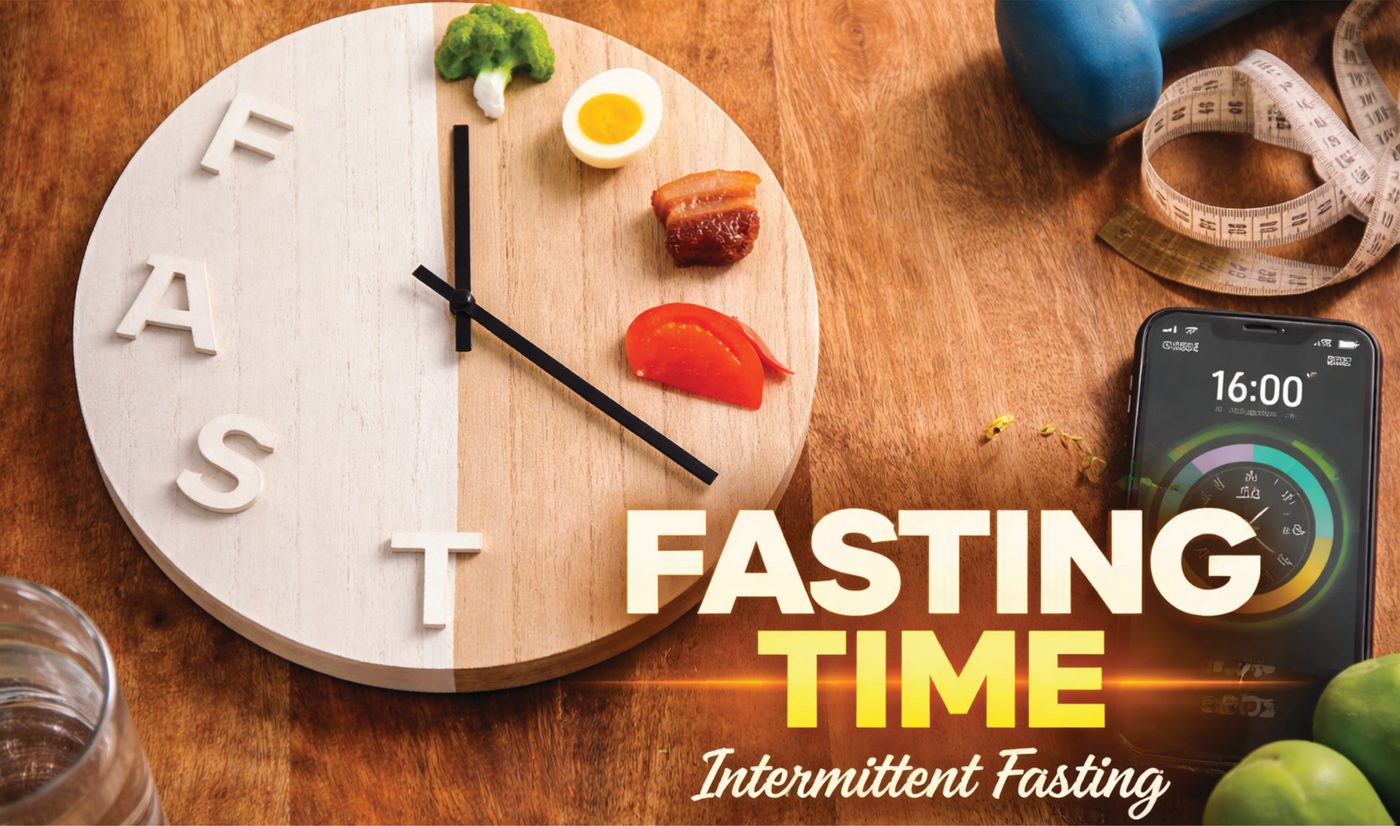
The Intermittent Fasting Diet at SESC Sports Medicine Center is a structured nutrition approach that cycles between periods of eating and fasting.
Rather than focusing on what you eat, intermittent fasting focuses on when you eat, helping regulate metabolism, improve fat burning, and optimize health.
When properly guided by nutrition professionals, intermittent fasting can support weight loss, metabolic health, and energy regulation.



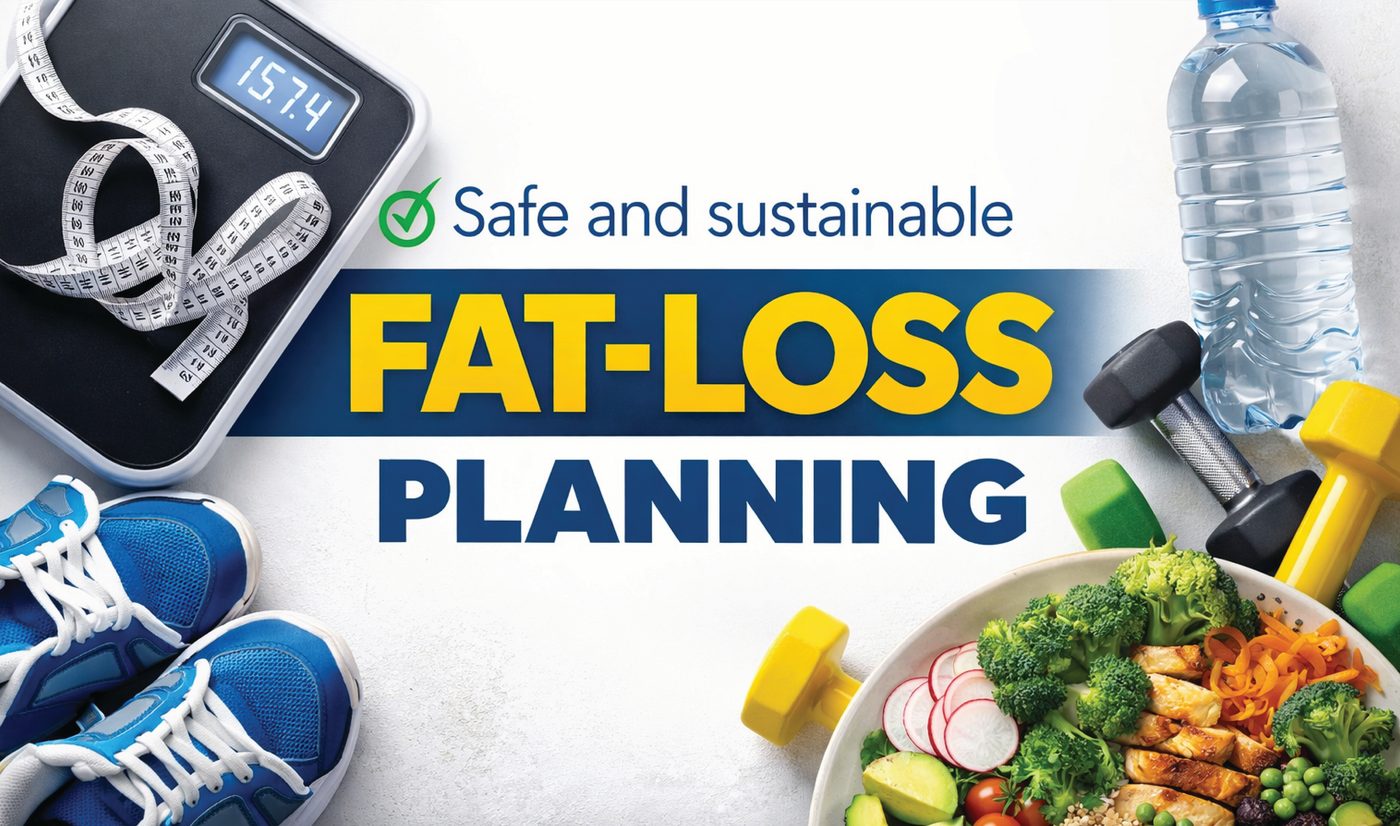
This is the most commonly used and sustainable intermittent fasting method. Individuals fast for 16 hours and consume all meals within an 8-hour eating window.
It helps regulate insulin levels, improve fat metabolism, and maintain consistent calorie control while still allowing balanced nutrition throughout the day.
This method is ideal for beginners and individuals seeking steady fat loss, improved metabolic health, and long-term sustainability.
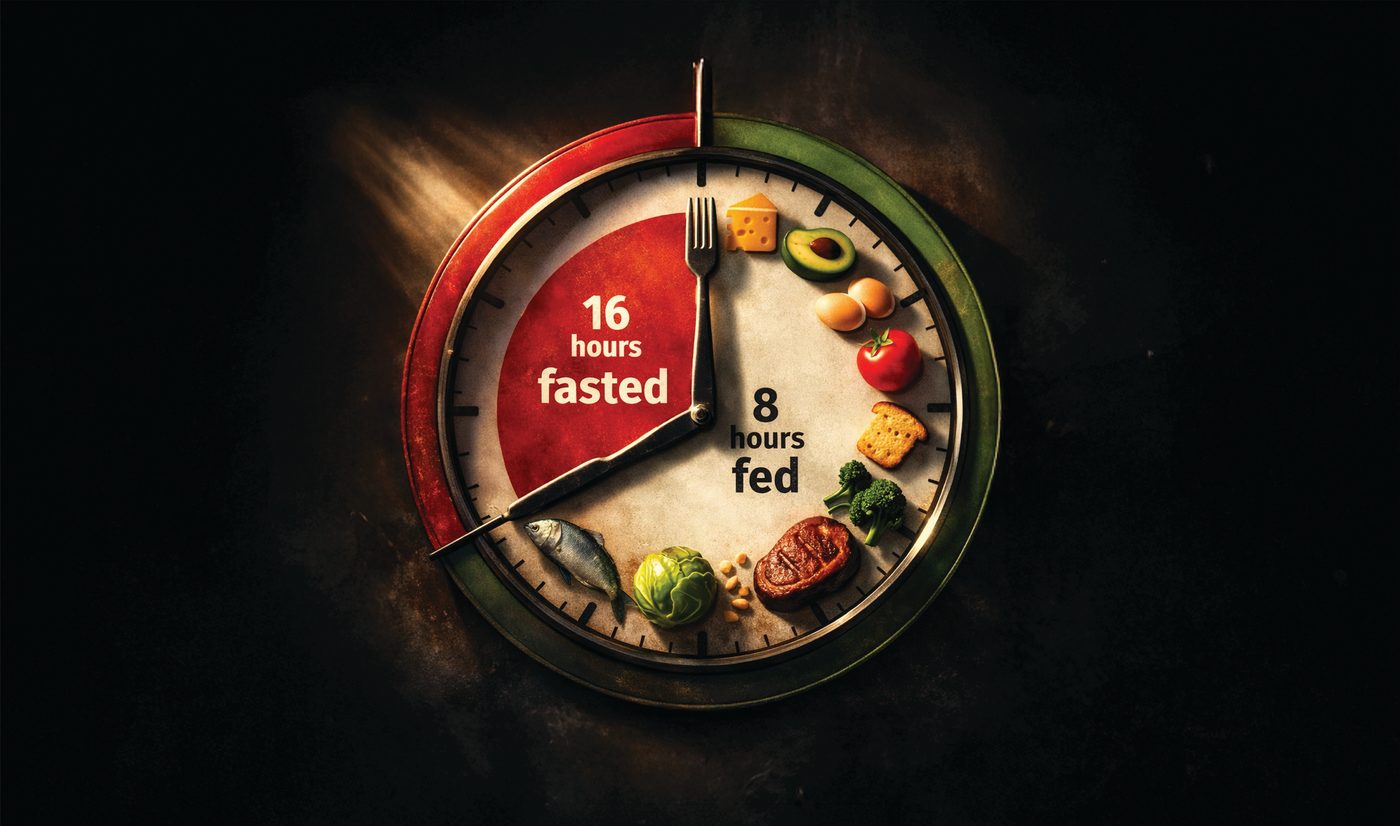


In the 18:6 fasting protocol, individuals fast for 18 hours and consume meals within a 6-hour eating window.
This approach enhances fat oxidation and insulin sensitivity, encouraging the body to rely more on stored fat for energy during the extended fasting period.
It is typically recommended for individuals who already have experience with intermittent fasting and want to accelerate fat loss and metabolic efficiency.

The 20:4 fasting method, often called the Warrior Diet, involves fasting for 20 hours and consuming all daily calories within a 4-hour eating window.
During the fasting phase, the body shifts toward fat utilization and metabolic efficiency. The short eating window emphasizes nutrient-dense meals that provide sufficient protein, healthy fats, and micronutrients.
This approach is considered an advanced fasting strategy and requires careful nutritional planning to maintain performance and energy balance.
The 5:2 fasting model allows normal eating patterns for five days per week, while two non-consecutive days involve significantly reduced calorie intake (usually 500–600 calories).
This method provides metabolic benefits without requiring daily fasting, making it suitable for individuals who prefer flexibility in their diet while still achieving fat loss and metabolic improvements.


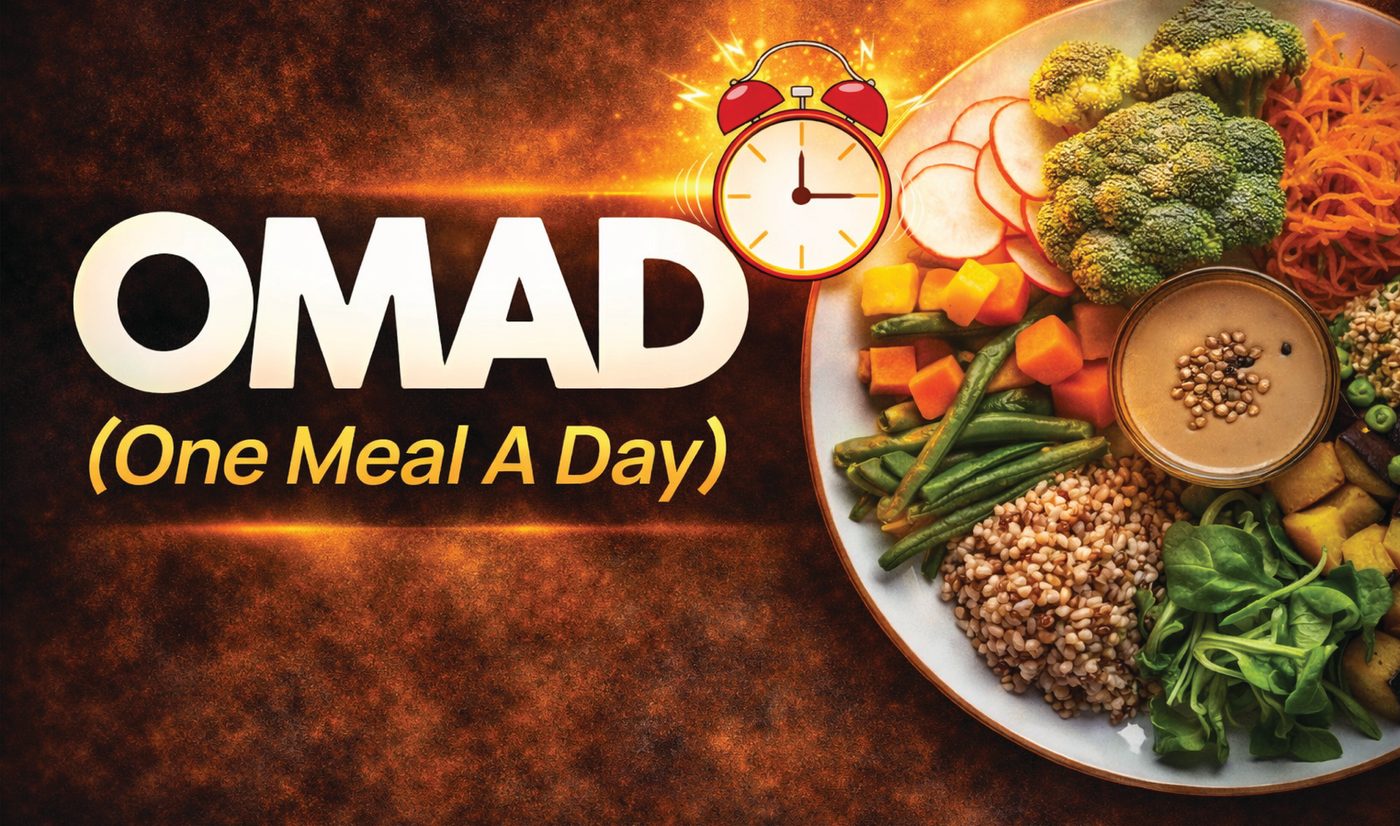
OMAD stands for One Meal A Day, where individuals consume their entire daily calorie intake within a single meal window.
This method significantly extends the fasting period and can promote metabolic efficiency and fat utilization.
Due to its restrictive nature, OMAD is recommended only for individuals who have experience with fasting and require structured supervision to ensure nutritional adequacy.
This fasting strategy is specifically designed for athletes and high-performance individuals.
Meal timing is strategically aligned with training sessions, recovery periods, and performance demands, ensuring athletes receive sufficient nutrients while still benefiting from controlled fasting windows.
It supports body composition optimization, metabolic flexibility, and sustained athletic performance.